Tensions at Sea: The Recent Attack on a Cargo Ship in the Strait of Hormuz
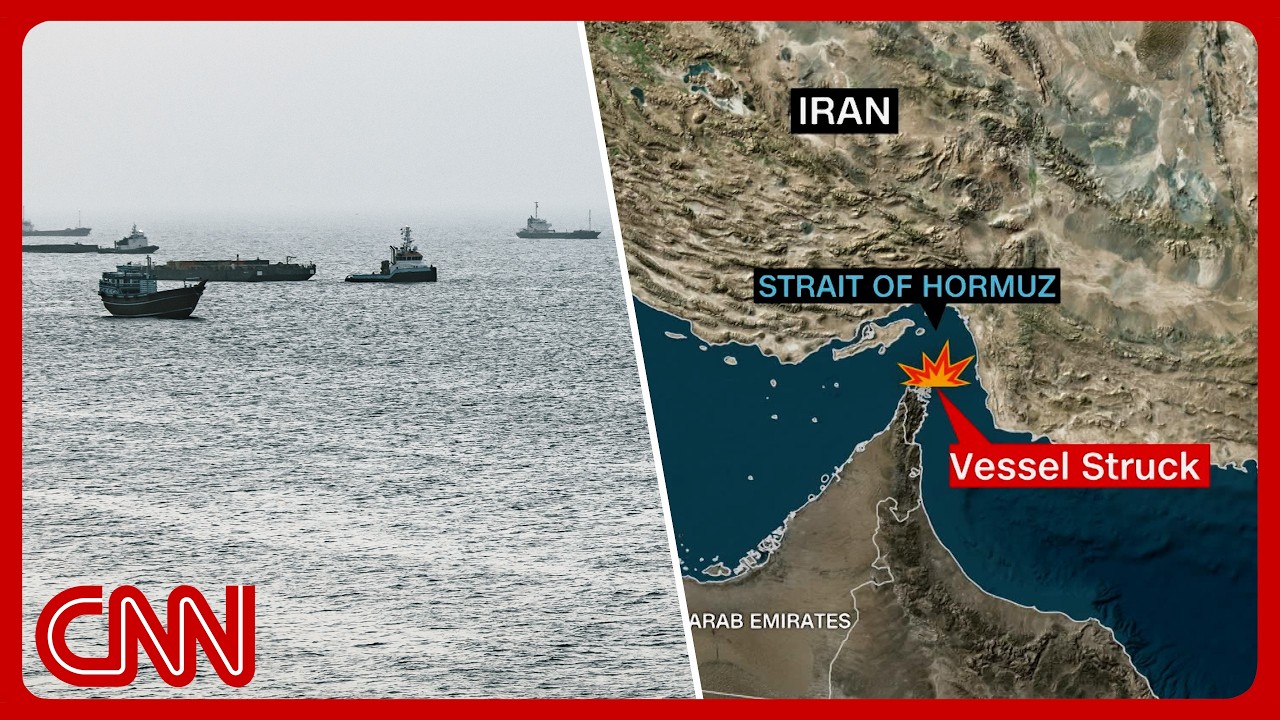
A recent military engagement in the Strait of Hormuz has raised significant concerns about regional stability and international negotiations surrounding Iran’s nuclear program. This incident marks the first attack in nearly nine months and comes at a time when diplomatic relations between the United States and Iran remain tenuous at best. The cargo ship, immediately identified as having been targeted by a one-way drone, highlights the Iranian Revolutionary Guard Corps’ ongoing assertiveness in the strategically vital waterway.
The ramifications of this incident are profound. The strike seems to challenge the existing agreements that have been tenuously negotiated under previous administrations, particularly that of former President Donald Trump. The attack on the cargo vessel underscores Iran’s continued claim over the Strait of Hormuz, a claim that the U.S. has disputed. Trump maintained that U.S. interests were secure as long as Iran operated within certain parameters. However, the recent developments suggest a different narrative—that Iran is willing to use force to assert its dominance in the region.
The Wall Street Journal reported that, ahead of the attack, the Iranian Revolutionary Guard emphasized its discretion in determining safe shipping routes. They declared any alternative routes unacceptable and fraught with danger—danger directly attributed to Iranian military actions. Such a declaration sends a stark message: Iran is signaling that it intends to control not only the maritime pathways but also the legal and operational norms that govern them.
Irrespective of the U.S. efforts to maintain order and ensure safety in the Strait of Hormuz, this recent event raises critical questions regarding the effectiveness of diplomatic negotiations. Trump’s assurances that there would be nuclear inspections within Iran seem increasingly hollow as Tehran has been categorical in denying any such oversight. Iranian President Ebrahim Raisi explicitly stated that missile discussions are off the table in any potential agreements, marking a contentious departure from U.S. objectives, particularly those concerning the containment of Iran’s missile capabilities.
The existential crisis in negotiations exacerbates feelings of uncertainty. The framework that was anticipated—an agreement that would see Iran ensuring safe passage for commercial vessels in exchange for the U.S. lifting certain sanctions—seems to have unraveled. Instead of cooperation and compliance, we witness an escalation of hostilities. The agreement’s integrity is now in jeopardy, further complicating what was already a fragile diplomatic landscape.
While the White House has maintained silence regarding the latest attack, it’s crucial to recognize the administration’s cautious approach. They’re walking a tightrope, wanting to avoid provocations while simultaneously striving to salvage diplomatic efforts. However, this attack significantly complicates that task. If Iran can strike at will while negotiations are supposedly underway, it not only undermines U.S. standing but also calls into question the logic of previous concessions made, particularly those that involved sanction relief.
Amidst these developments, external observers have begun to speculate about the strategic motivations behind Iran’s actions. By challenging U.S. military presence and asserting their dominance, Iran is making a broader statement about its role in regional geopolitics. This divergence in narratives—between what the U.S. claims and what Iran asserts—creates an environment rife with confusion and distrust.
Ultimately, the implications of this attack could extend far beyond the immediate maritime region. It raises integral questions about the efficacy of U.S. foreign policy, the credibility of any agreements with Iran, and the future of naval operations in key shipping routes. As the administration grapples with these realities, the potential for military escalation looms large. The international community watches closely, mindful that the Strait of Hormuz remains a critical chokepoint, not just for oil shipments, but for global trade at large.
In this fraught atmosphere, both sides must recalibrate their strategies. For the United States, regaining leverage may require re-evaluating recent concessions, particularly as Iran’s provocations paint a picture of escalating control rather than compliant cooperation. The complexity of the landscape in the Strait of Hormuz now necessitates a nuanced approach that accommodates both diplomatic dialogue and the hard realities of military engagement. Without this balance, the tensions are likely to intensify, raising the stakes for all involved.